There are leaders who rise quickly.
And there are leaders who last.
The difference is rarely talent.
It is rarely opportunity.
It is almost never luck.
The difference is foundation.
In boardrooms, on teams, in families, I have watched the same pattern unfold again and again. Leaders who build on visibility burn out. Leaders who build on identity endure.
Visibility chases applause.
Identity anchors conviction.
When pressure hits—and it always does—visibility-driven leadership scrambles to protect image. Identity-rooted leadership steadies itself in purpose.
The storm does not create character.
It reveals it.
Pressure Exposes What Success Hides
In seasons of growth, almost anyone can look like a strong leader. Revenue is climbing. The team is motivated. Wins stack up.
But pressure exposes what success hides.
Deadlines compress.
Margins tighten.
Criticism sharpens.
Fatigue sets in.
That is when leadership becomes less about strategy and more about substance.
You begin to see who is driven by ego and who is guided by stewardship.
Who protects position and who protects people.
Who demands loyalty and who earns trust.
True leadership is not proven when things are working.
It is proven when things are unraveling.
Strength Without Noise
There is a quiet strength that doesn’t demand attention.
It shows up in:
- The leader who listens before responding.
- The parent who puts down the phone mid-email.
- The executive who absorbs blame but shares credit.
- The teammate who stays late without broadcasting it.
This kind of strength does not trend.
It transforms.
We live in a culture that confuses volume with influence. But the leaders who shape lives, companies, and communities most deeply are rarely the loudest.
They are the most anchored.
The Role of Faith (Even When Unspoken)
Whether acknowledged or not, every leader operates from belief.
Belief about:
- Where value comes from.
- What success means.
- What ultimately matters.
- Whether control is real or temporary.
For me, leadership shifted when I stopped seeing it as control and began seeing it as stewardship.
Stewardship changes everything.
If my role is temporary and entrusted, not owned, then:
- People are not tools.
- Influence is not entitlement.
- Success is not identity.
- Loss is not annihilation.
Faith does not remove pressure.
It reframes it.
It reminds you that your worth is not quarterly.
It reminds you that your influence is not accidental.
It reminds you that storms are not final.
You may not quote Scripture in your meetings.
But you live from what you believe every day.
The Leaders Who Last
The leaders who last:
- Build people, not just platforms.
- Choose consistency over charisma.
- Practice gratitude in scarcity.
- Admit weakness without surrendering resolve.
- Make decisions that their future self will respect.
They understand something simple:
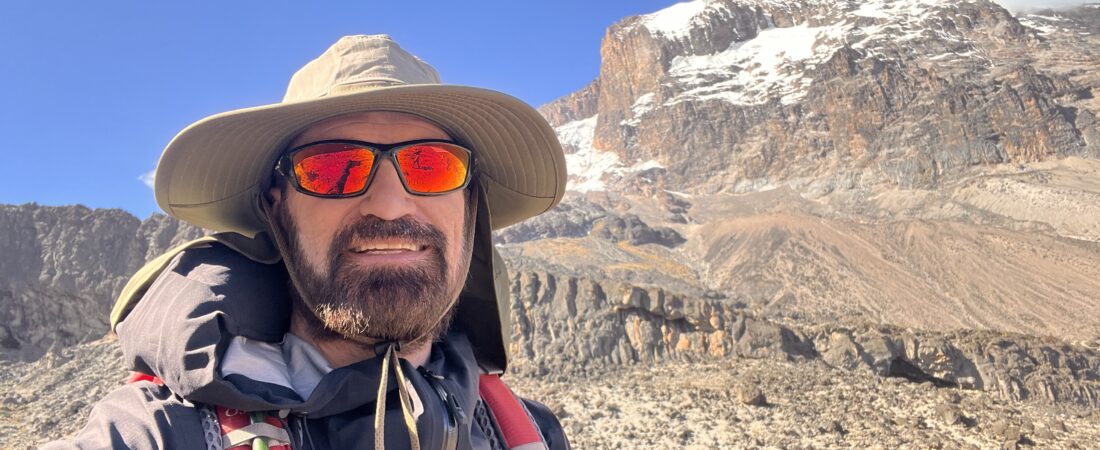
The summit is not the goal.
The formation is.
Titles fade.
Markets shift.
Recognition moves on.
But character compounds.
If you want to last:
Build depth.
Practice integrity when it costs.
Lead your family as intentionally as your organization.
And remember that storms do not disqualify leaders.
They define them.